Employee Wellbeing in 2026: Why Outdoor Programs Beat Traditional Wellness Initiatives

Key Takeaways
Traditional wellness programs are failing spectacularly - with over 80% of companies offering them, yet fewer than 30% of employees actively participating. This massive engagement gap represents billions in wasted investment and highlights a fundamental disconnect between what organizations provide and what employees actually need.
Nature-based wellbeing programs deliver measurable results that traditional initiatives cannot:
- •Outdoor programs dramatically outperform gym memberships: Just 20-30 minutes in nature reduces cortisol levels by 23%, while forest exposure improves cognitive performance by 50% and boosts immune function.
- •The business case is compelling: Every £1 invested in mental health initiatives returns £5 in productivity gains, with companies reporting 25% drops in employee turnover and absenteeism.
- •Engagement patterns shift outdoors: Nature-based activities eliminate the self-selection problem plaguing traditional wellness programs, reaching employees who need support most rather than just the already-healthy.
- •Poor mental health costs the global economy $1 trillion annually in lost productivity: With 91% of workers experiencing high stress and burnout reducing productivity by 10-40%, addressing wellbeing is a financial imperative, not an HR perk.
The fundamental issue is clear: organizations treating wellbeing as individual responsibility while ignoring structural workplace factors will continue seeing programs fail. Outdoor team building creates authentic connections, reduces stress through physiological mechanisms, and delivers ROI that matters to leadership - making it the strategic choice for 2026.
Employee wellbeing isn't just an HR concern anymore. It's a financial imperative. Poor mental health costs the global economy approximately US$1 trillion per year in lost productivity, and 44% of employees report experiencing considerable stress. Traditional corporate wellness programs underdeliver on engagement and outcomes. Nature-based wellbeing approaches are showing impressive results. Companies that integrate wellbeing into leadership practices and organizational design report up to 20-25% higher productivity. We'll get into why outdoor team building and nature-based employee wellbeing programs are outperforming traditional initiatives in this piece. You'll also learn how to build a business case for this approach in 2026.

Why most corporate wellness programs fail to deliver
Over 80% of companies now offer wellness programs, but fewer than 30% of employees actively participate in them. This massive gap between availability and participation represents billions in wasted investment. MDs and CEOs evaluating their corporate wellbeing strategy need to understand why these programs fail more than ever in 2026.
The participation gap
The numbers tell a stark story. Employer-reported participation rates hover at just 20% without incentives. Median participation reaches only 40% even with monetary or nonmonetary incentives. Rates climb to 73% when employers introduce penalties for non-participation, but this coercive approach breeds resentment rather than genuine participation.
Research shows that healthier employees and those in higher-income areas are more likely to complete health risk assessments. Those who might benefit most from workplace wellbeing support participate least. This inverse relationship means traditional employee wellbeing programs often reach the wrong audience. Low-wage workers with higher prevalence of chronic conditions and greater emergency department use are substantially less likely to participate. The paradox is striking.
The barriers are both practical and psychological. Nearly 61% of employees cite insufficient time as their primary obstacle to participation. Location issues affect 43% of workers, particularly those in roles that require physical presence at distributed sites. 33% of employees express concerns about their employer accessing personal health information. This creates a trust barrier that undermines participation before programs even launch.
Low engagement with traditional offerings
The one-size-fits-all approach sits at the heart of most program failures. Employees aren't disinterested in their health. They're disinterested in generic solutions that don't match their needs. A 2023 Global Wellness Institute study found employees participate far more with initiatives tailored to personal health goals and lifestyle priorities. A gym membership might suit some staff. Others need mental health support, flexible work arrangements or financial wellness resources.
Communication gaps compound the problem. Many employees remain unaware of available wellness programs or don't understand how to access them. Targeted and consistent communication can boost participation rates substantially, yet most organizations fail to promote these offerings. Programs often feel disconnected from daily work realities when they do reach employees.
Leadership buy-in plays an equally significant role. Employees recognize the disconnect and ignore the offerings if company culture doesn't genuinely support wellness initiatives.
Disconnect between investment and outcomes
Large organizations spend an average of US$8.34 million annually on wellbeing programs, yet burnout rates continue rising. The most common challenges HR leaders report include high implementation costs (30%), low employee engagement (30%), difficulty measuring impact (26%) and unclear ROI (22%). These challenges reinforce each other in a self-defeating loop.
The biggest problem runs deeper than program design. Organizations still treat wellbeing as an individual responsibility rather than addressing structural workplace factors that create burnout in the workplace. This approach explains why meditation apps and resilience training feel hollow to employees managing impossible workloads or outdated systems.

The evidence for nature-based employee wellbeing
Scientific research provides compelling evidence for why nature-based interventions outperform conventional workplace wellbeing approaches. A systematic review of 12 studies confirmed associations between nature exposure and reduced all-cause mortality, cardiovascular disease mortality, and improved mental health outcomes.
Research on outdoor exposure and mental health
Nature exposure delivers measurable mental health benefits in a variety of populations. Studies demonstrate improved mood, reduced anxiety and depression, and increased feelings of stress relief following contact with natural environments. These effects prove more pronounced in people with poor mental health, including those suffering from depression.
Forest bathing interventions show potential to ease symptoms of depression and anxiety while eliminating negative emotions and promoting mental wellbeing. The University of Derby found that participants who involved themselves with nature reported higher levels of wellbeing and a stronger connection to their environment. People spending at least two hours per week in nature report better health and psychological wellbeing than those without natural environment engagement.
Effect on stress hormones and recovery
The physiological mechanisms behind nature's benefits are well-documented. Spending at least 20 to 30 minutes in a nature setting produces the biggest drop in cortisol levels. A decade-long study in Japan found that just 15 minutes in a forest lowered salivary cortisol, heart rate, heart rate variability, blood pressure, and pre-frontal cortex activity compared to urban environments.
Corporate forest bathing programs deliver a 23% reduction in cortisol levels within just two hours of guided forest immersion. Participants demonstrate improved concentration scores that last up to five days post-session and show improvements in team cohesion and creative problem-solving abilities. Forest environments release aromatic compounds called phytoncides, which boost natural killer cell activity by up to 50%, a key marker of immune system function.
Cognitive function and creativity benefits
Nature exposure improves higher-order cognitive skills through sustained environmental engagement. Participants completing cognitive tests after four days of wilderness exposure showed a 50% increase in performance, demonstrating improved creativity and complex problem-solving. Research shows nature exposure improves working memory, cognitive flexibility, and attentional control.
Team building through shared outdoor experiences
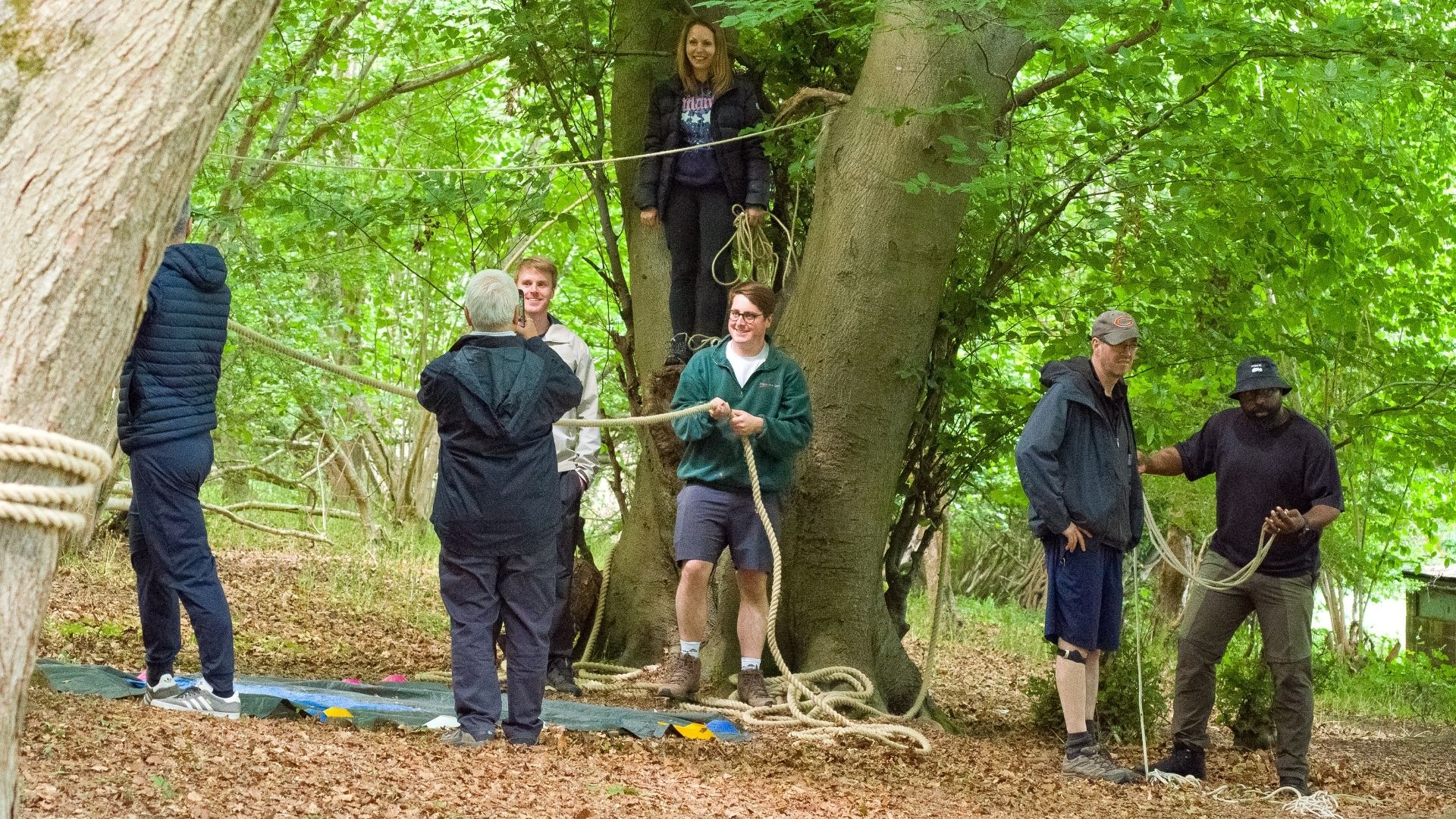
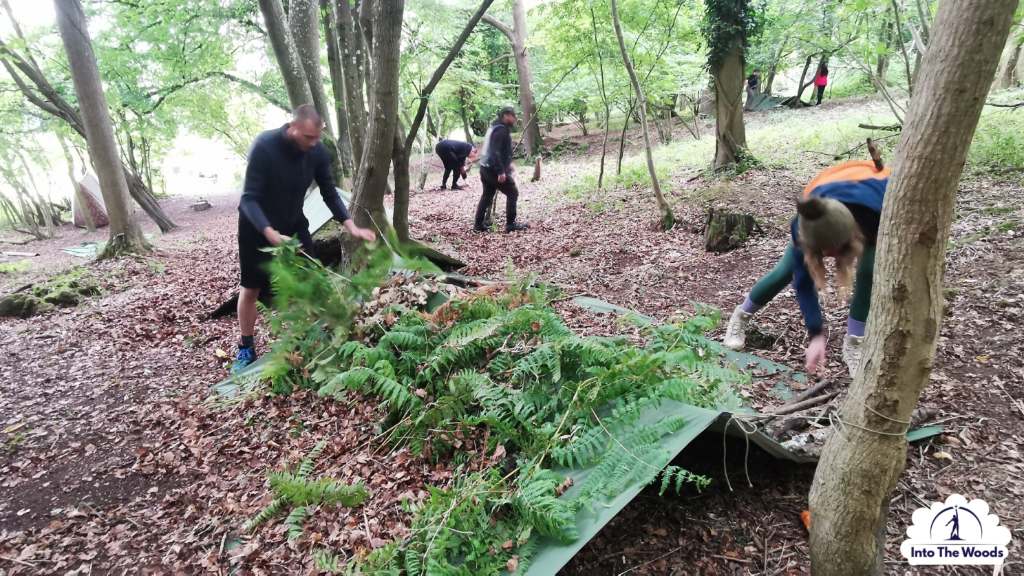
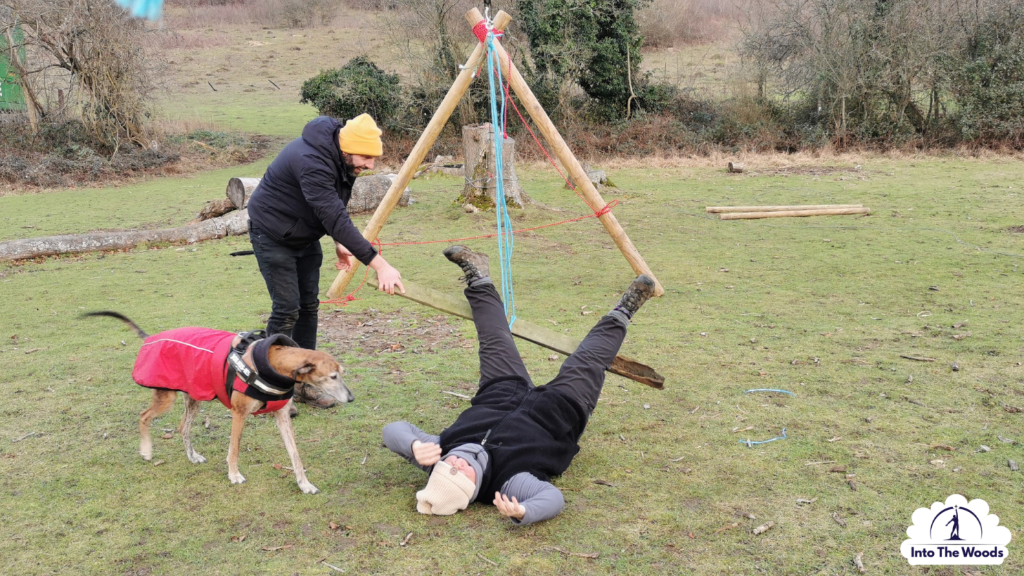
Outdoor team building creates bonds through shared challenges in natural settings. Team-building exercises held outdoors prove more effective in improving group cohesion than indoor activities. The informal atmosphere helps employees connect on a personal level and makes it easier to develop rapport and understanding among colleagues. Activities like tower building and rope bridge building create memorable workplace experiences that strengthen corporate team building outcomes while addressing employee wellbeing strategy goals.
Outdoor programs vs traditional wellness initiatives
Participation patterns between outdoor employee wellbeing programs and traditional offerings show stark differences. The self-selection problem that plagues conventional wellness initiatives operates differently in nature-based settings.
Employee engagement and voluntary participation
Traditional wellness programs face a participation paradox. Research shows that healthier employees with lower medical expenditures are more likely to participate, whilst those who might benefit most participate least. Outdoor activities change this dynamic. Employees taken outside the workplace leave daily distractions behind and experience refreshed group dynamics. Natural settings encourage open communication and authentic collaboration without the performance pressure of indoor workshops.
Breaking the gym membership model
Outdoor exercise provides fresh air, natural settings and varied topography that reduces stress and improves mood. Group activities outdoors build strong community feeling in conducive environments. Seasonal changes and various outdoor venues keep activities interesting, whereas repetitious gym routines feel tiresome.
Creating memorable workplace experiences
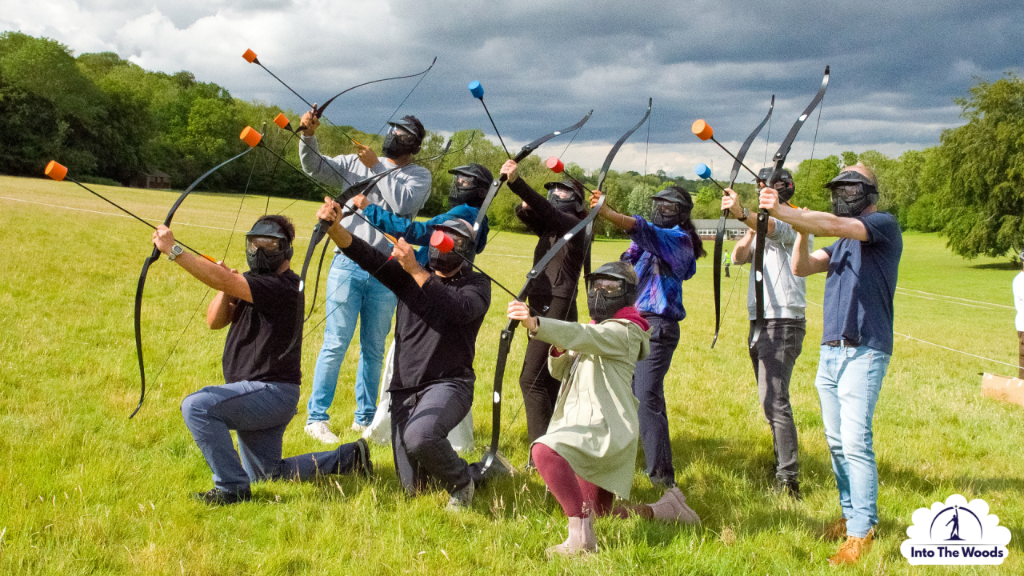
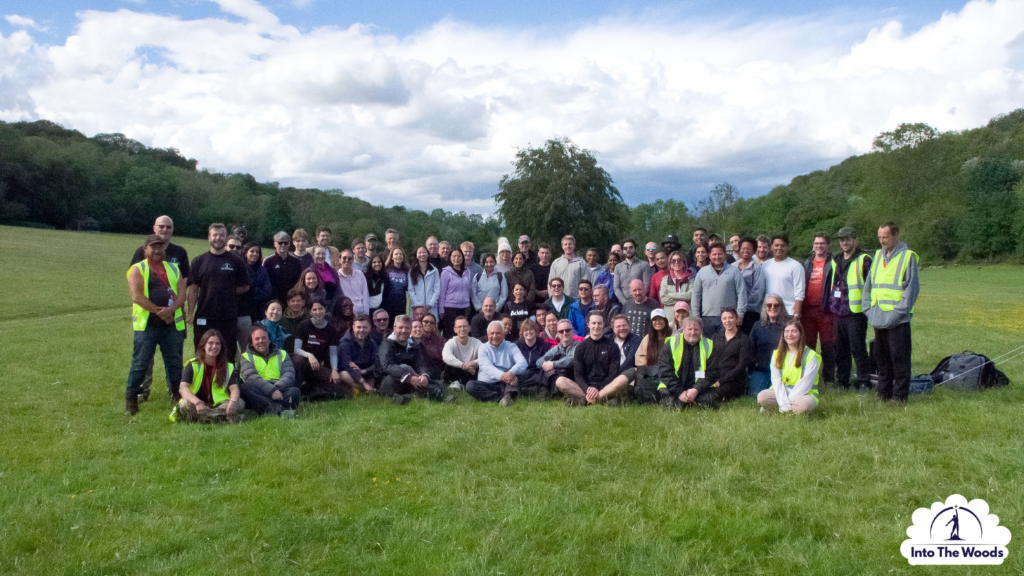
The strongest outdoor events spark conversations that extend beyond the activity itself. People remember laugh-out-loud moments and surprise collaborations between colleagues who never work together. Into The Woods delivered a two-day corporate program for Adobe with approximately 75 delegates recently. The program incorporated tower building, archery tag, catapult building & battles, and rope bridge building. These shared challenges create lasting team cohesion that generic wellness perks cannot replicate.
Building the business case for outdoor wellbeing
Calculating the cost of burnout
Poor mental health costs the UK economy between £74 billion and £99 billion each year. Your organization faces three distinct cost centres from this: £7 billion lost to mental health-related absences, up to £29 billion lost to presenteeism when people show up but operate nowhere near capacity, and £9 billion in turnover costs as employees leave due to unmanaged stress. Burnout reduces productivity by 10-40%. A conservative 25% assumption reveals stark numbers. Five employees earning £30,000 each year and operating at 25% reduced productivity cost your business £37,500 per year before you factor in sick leave or staff turnover. Research from Mental Health UK found 91% of workers report high levels of stress and burnout. One in five needed time off work due to poor mental health.
Productivity improvements from nature exposure
Employees with high wellbeing report half as much absence and two-thirds less presenteeism than those with low wellbeing. Companies prioritizing wellbeing report up to 20% higher productivity overall. Employees who feel mentally supported are 12% more productive.
ROI metrics that matter to leadership
Businesses see an average £5 return in productivity gains from every £1 invested in mental health initiatives. Johnson & Johnson reported an ROI of 2.71:1 from their wellbeing programs and saved £2.15 in healthcare expenses for every pound spent. Absenteeism drops by 25%. Thriving employees report 56% fewer sick days. Companies with wellbeing programs experienced a 25% drop in employee turnover.
Practical steps to launch outdoor wellbeing programs
Assessing your workforce needs
You should conduct a health needs assessment before implementation to gather anonymous workforce data and establish baseline metrics. This survey-based process identifies where to invest in staff health beyond simple legal requirements. Senior management must endorse the assessment. Involve employees in planning to demonstrate genuine support for their wellbeing.
Focus groups with employees help you understand the challenges they face and the support they value. Survey staff across mental health, physical health, sleep, nutrition and managerial support to identify key needs trends. This qualitative and quantitative data prevents programs that miss the mark.
Choosing the right outdoor activities
Employees should be consulted on specific activities they'd participate in, such as lunchtime walking groups, outdoor yoga or nature-based team challenges. Walking meetings, outdoor movement breaks and nature-based activities consistently boost participation for fitness levels of all types. Book a discovery call with Into The Woods to explore tailored outdoor team building options if you're uncertain which format suits your workforce.
Integration with existing wellbeing strategy
Line up outdoor programs with your mental health policy and make sure it addresses stress, anxiety and depression. People professionals must work in business areas of all types to implement policies consistently.
Tracking success and employee feedback
Participation rates, activation and sustained involvement by department and role should be measured. Quarterly pulse surveys ask which resources employees used, what prevents broader participation and format priorities. Employee Net Promoter Scores specific to the wellbeing program should be tracked as a reliable predictor of sustained involvement.
Conclusion
Traditional corporate wellbeing programs continue burning budgets while burnout rates climb. The evidence shows nature-based approaches deliver what conventional initiatives cannot: real participation, improved productivity and staff retention that matters.
Your employees don't need another gym membership they won't use. They need well-laid-out outdoor experiences that reduce stress and build team cohesion. These experiences create workplace connections that last. Outdoor team building represents a strategic decision rather than an HR experiment, with proven ROI of £5 returned for every £1 invested.
Companies addressing employee wellbeing through nature exposure aren't just supporting their teams. They're protecting their competitive advantage in 2026.
FAQs
Q1. What makes outdoor wellness programs more effective than traditional workplace wellness initiatives? Outdoor wellness programs achieve significantly higher engagement rates because they remove employees from daily workplace distractions and create memorable shared experiences. Unlike gym memberships that see low participation (often under 30%), nature-based activities naturally encourage team bonding, reduce stress hormones like cortisol by up to 23%, and improve cognitive performance.
Q2. How much can companies save by investing in employee wellbeing programs? For every £1 invested in mental health and wellbeing initiatives, businesses see an average £5 return through productivity gains and reduced healthcare costs. Companies with comprehensive wellbeing programs experience a 25% reduction in employee turnover and 25% decrease in absenteeism.
Q3. Why do most employees not participate in corporate wellness programs? The primary barrier is time, with 61% of employees citing insufficient time to participate. Additionally, 43% face location challenges, 33% have privacy concerns about sharing health information with employers, and many simply find generic programs irrelevant to their specific needs.
Q4. What are the proven mental health benefits of spending time in nature? Research shows that spending at least two hours per week in nature significantly improves psychological wellbeing and reduces symptoms of anxiety and depression. Just 20-30 minutes in a natural setting produces measurable drops in cortisol levels, while forest environments can boost immune function by up to 50%.
Q5. How can organizations measure the success of outdoor wellbeing programs? Track participation rates across different departments and roles, monitor sustained engagement over time, and deploy quarterly pulse surveys to gather employee feedback. Measure employee Net Promoter Scores specific to wellbeing initiatives, track absenteeism and presenteeism rates, and monitor productivity metrics.
Ready to experience the woods for yourself?
See Upcoming Events